The Unfollowed Instagram Phenomenon: Understanding and Managing Your Followers
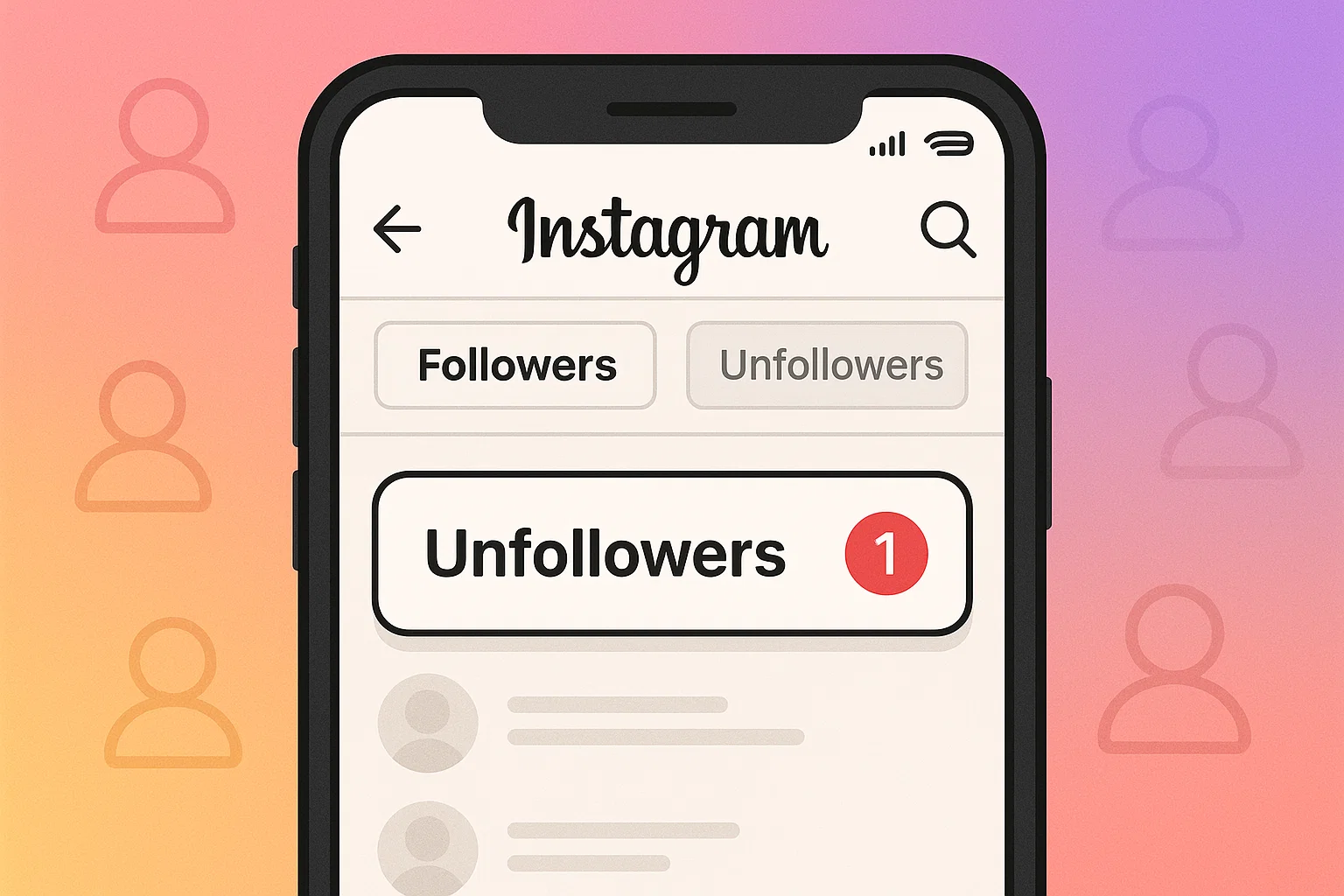
In the world of social media, having a large follower count can seem like a badge of honor. However, the reality is that unfollowing is a common practice among users. If you’re grappling with the concept of how to manage those who have unfollowed instagram, you’re not alone. This article will delve into why users unfollow accounts, how it affects you, and the tools available to track these changes in your follower base.
Understanding the Unfollow Mechanism
Before exploring strategies and tools, it’s essential to understand why users choose to unfollow accounts. The motivations can vary widely based on personal preferences, content relevance, and engagement levels:
- Content Irrelevance: As users grow and change, their interests might shift, leading them to unfollow accounts that no longer align with their current preferences.
- Overposting: If an account posts too frequently, it can overwhelm followers, causing them to disengage and unfollow.
- Quality of Engagement: High-quality engagement maintains interest. If followers find that the content is not engaging or meaningful, they may choose to unfollow.
- Social Cleansing: Users often conduct ‘spring cleaning’ for their social media, unfollowing accounts to streamline their feeds.
The Psychological Impact of Being Unfollowed
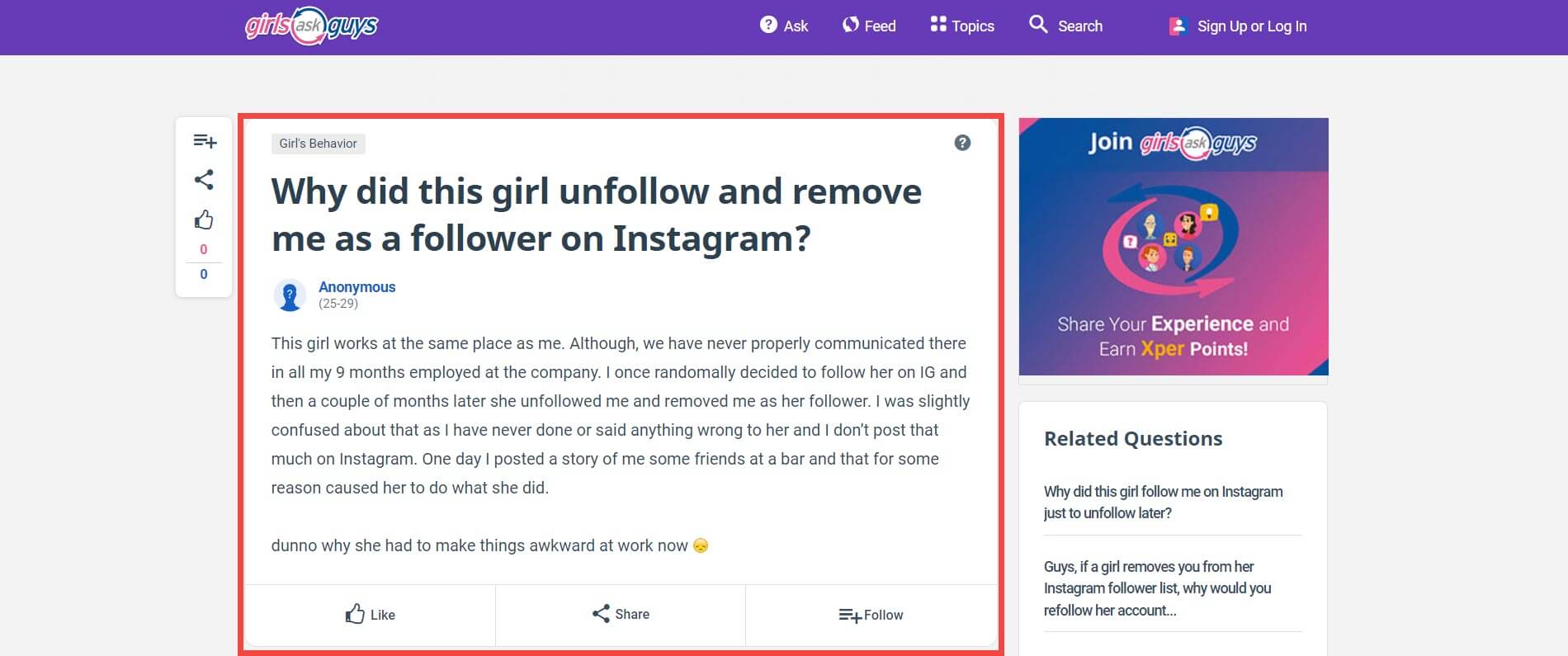
The emotional aspect of unfollowing can be challenging. In many cases, users take unfollowing personally, leading to feelings of rejection or insecurity. However, it’s important to maintain a healthy perspective. Consider the following:
- Remember that unfollowing can be a reflection of the unfollower’s journey rather than your own worth.
- Evaluate your content strategy and seek constructive feedback to improve engagement.
- Focus on the followers who are genuinely interested in your content and engage with them meaningfully.
Tools for Tracking Unfollowers
For users curious about their follower dynamics, various tools exist to help track those who have unfollowed them:
1. Instagram Insights: If you have a business or creator account, Instagram provides built-in analytics that can give you an overview of your follower statistics.
2. Third-Party Applications: Several apps and services allow users to see who has unfollowed them. One notable option is Reports: Unfollow Tracker, which helps users monitor their follower metrics accurately.
3. Manual Tra
cking: Another straightforward approach is to keep a manual list of followers and periodically compare it to see changes over time, although this method can be tedious.
Engagement Strategies to Reduce Unfollows
Reducing the likelihood of unfollows can often be achieved through thoughtful engagement. Here are some proven strategies:
1. Quality Over Quantity: Focus on creating high-quality content that resonates with your audience. Invest time in crafting your posts, using professional imagery, and writing engaging captions.
2. Consistent Posting Schedule: Regular uploads help keep your audience engaged. However, find a balance that works for your audience—posting too frequently can be just as detrimental as being inactive.
3. Engage with Your Audience: Respond to comments and messages thoughtfully. Engaging with your followers fosters community and connection, which can dissuade unfollows.
4. Utilize Stories and Reels: Instagram’s features like Stories and Reels can showcase your personality and creativity in different formats, keeping your content fresh and engaging.
Conclusion
The phenomenon of being unfollowed on Instagram is multi-faceted, ranging from users’ changing interests to general social media behavior. By understanding why you may lose followers and employing strategies to enhance your engagement, you can foster a more robust and supportive online community. Remember, it’s not just about the numbers—it’s about building relationships and creating meaningful content that resonates with your audience.