
Understanding Land Ownership in Vanuatu: A Comprehensive Guide
Land ownership in Vanuatu is a multifaceted topic that intertwines legal frameworks, cultural traditions, and economic opportunities. This beautiful archipelago in the South Pacific attracts investors and individuals looking to buy land in Vanuatu for both personal and commercial purposes. As you explore the potential of land ownership in this region, it’s crucial to understand the unique aspects that govern it. vanuatu land ownership buy land in vanuatu is a decision that requires thorough understanding of the local context.
The Historical and Cultural Context of Land Ownership
The concept of land ownership in Vanuatu is deeply rooted in its history and culture. Traditionally, land in Vanuatu has been owned by clans or tribes, with communal ownership being the norm. This cultural perspective impacts not only how land is owned but also how it is used and governed. Most Ni-Vanuatu people view land as a heritage that must be cherished and protected, and this influences current land ownership regulations and practices.
Understanding the Legal Framework
Vanuatu has a dual system of land tenure: customarily owned land and state land. Around 80% of the land is held under customary tenure, where land rights are governed by traditional practices. This means land is passed down through generations according to clan rules, which may not conform to Western notions of property ownership.
The other 20% is state land, which can be purchased or leased. Foreigners can buy land in Vanuatu, but they often do so through long-term leases, typically lasting 75 years. This legal structure means potential landowners must navigate both customary and statutory systems, consulting local chiefs and communities to ensure that their processes are respectful of tradition.
Land Leases: A Viable Option for Foreign Investors
For investors looking to buy land in Vanuatu, understanding the lease system is essential. Foreigners cannot own land outright; instead, they can acquire long-term leases on state land. Lease arrangements often require them to demonstrate plans for development that will benefit the local community.
The process typically involves several steps: negotiating with the government, securing land use permits, and getting the agreement of local landowners. All these steps emphasize the importance of community involvement, which is a distinctive characteristic of land transactions in Vanuatu.

The Role of Land Use Plans and Permits
When considering purchasing land, it’s crucial to understand the regulatory environment surrounding land use. Vanuatu has a range of laws governing land use, including zoning regulations and environmental protection requirements. Investors should ensure that their projects are compliant with local regulations, which can include conducting environmental impact assessments and obtaining the necessary permits before proceeding with development.
Investment Opportunities and Challenges
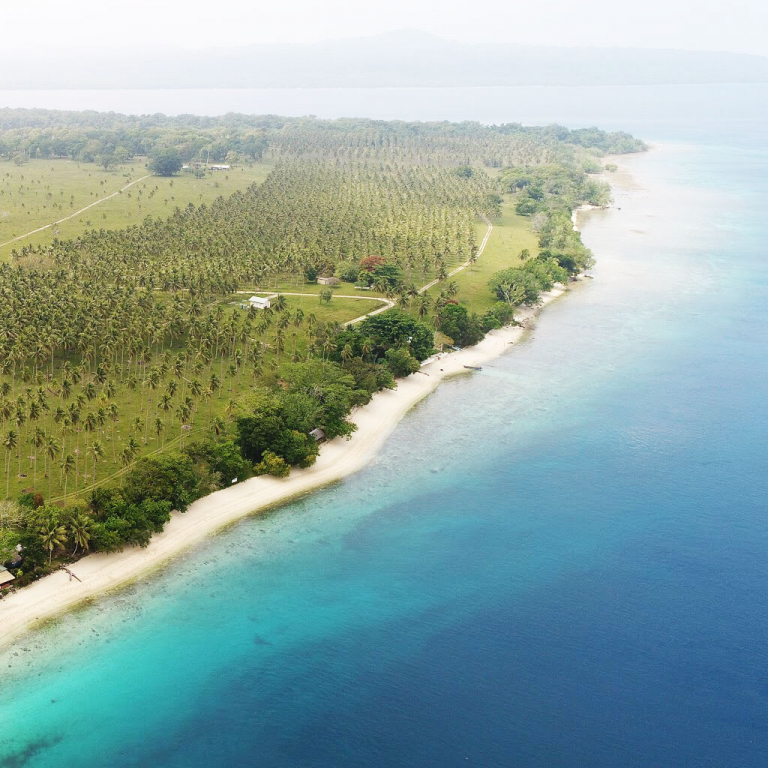
Vanuatu has become increasingly attractive for investors seeking to buy land and develop properties, particularly in the tourism and real estate sectors. With its stunning natural scenery and unique cultural backdrop, the islands are a popular destination for tourists, which presents significant opportunities for growth and development.
However, prospective investors should be aware of several challenges. These can include bureaucratic hurdles, potential disputes with local landowners, and limitations surrounding the sustainability of development practices. It is essential to engage in thorough research and seek local expertise to navigate these complexities effectively.
The Importance of Community Engagement
As foreign investors consider buying land in Vanuatu, they must recognize the vital role of community engagement. Successful projects are often those that incorporate local knowledge and actively involve the community. Establishing genuine relationships with local leaders and community members is crucial for fostering goodwill and ensuring long-term success.
Moreover, respecting local customs and traditions, being transparent about intentions, and prioritizing community benefits in development plans can lead to a more sustainable and harmonious relationship between investors and local populations.
Conclusion
Land ownership in Vanuatu presents both exciting opportunities and complex challenges. Understanding the unique legal framework, respecting cultural values, and engaging with local communities are essential components for anyone considering to buy land in Vanuatu. With careful planning and a commitment to responsible development, investors can contribute positively to the social and economic landscape of Vanuatu while enjoying the benefits of owning a piece of this beautiful island paradise.
Further Resources
For those looking to dive deeper into the specifics of land ownership in Vanuatu, a variety of resources are available. Government websites provide essential information on the legal aspects of land purchase and leases. Additionally, real estate firms specializing in Vanuatu can offer guidance on navigating the market and finding desirable properties. Lastly, various local organizations can assist in understanding community dynamics and cultural expectations.